

Hiking connects you with nature and challenges your endurance. But have you noticed that the backpack suspension system may be the key factor impacting your overall hiking comfort?
The suspension system enhances comfort by evenly distributing weight, reducing pressure, and improving stability. A system tailored to your body reduces fatigue and prevents injuries.

Whether you’re a beginner or an experienced hiker, ignoring the importance of the suspension system could ruin your adventure. Let’s explore how it affects your comfort and how to choose the right one for your needs.
How Does the Suspension System Reduce Body Pressure?
While hiking, your backpack carries essential items like food, clothing, and gear. If the weight isn’t evenly distributed or focuses on certain spots, you’ll feel discomfort or fatigue after hours of walking.
The suspension system distributes the weight across key areas, especially the hips and shoulders, reducing pressure points and ensuring greater comfort.
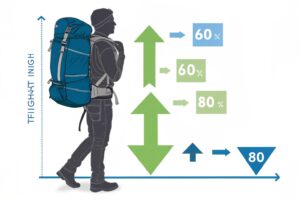
For example, without hip belt support, excessive strain can occur on your back, shoulders, and spine. Experts recommend that 60%-80% of a large backpack’s weight should be supported by the hip belt, with shoulder straps mainly serving to stabilize. A well-designed suspension system not only ensures weight is carried efficiently but also makes extended hikes manageable.
Core Components of a Suspension System
Most suspension systems consist of the following parts:
| Component | Function |
|---|---|
| Hip Belt | Supports most of the weight, protects the back. |
| Back Panel | Provides structure and keeps the back straight. |
| Shoulder Straps | Stabilize the backpack and distribute pulling force. |
| Sternum Strap | Adds balance and prevents shoulder straps from sliding. |
Choosing a system that offers adequate support for your back and hips can significantly improve your hiking experience.
How Does the Suspension System Improve Stability?
On uneven trails, maintaining balance can be a major challenge. If your backpack isn’t stable, you’re more likely to experience awkward movements—or even falls.
A well-designed suspension system enhances stability by conforming to your shoulder and back curves, wrapping snugly around your hips, and offering adjustable straps to keep the pack close to your body.
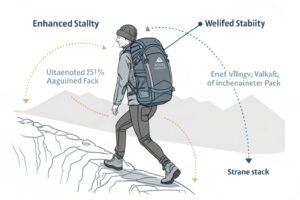
I remember hiking on a steep, rocky trail while testing different backpacks. Those with poor adjustability caused significant shifting, throwing me off balance. A stable pack, on the other hand, gave me a smoother walking experience and allowed me to focus on the beauty of the trail.
Three Key Factors for Stability
- Fit: A good design should rest snugly against your back.
- Adjustability: Shoulder straps, sternum straps, and hip belts must all be adjustable.
- Weight Distribution: Proper load distribution across multiple anchor points is essential.
Whether crossing rocky terrains or ascending inclines, selecting a suspension system designed for stability will make your hiking challenges a little easier.
How Do You Choose the Right Suspension System?
The market offers a wide variety of hiking backpacks, but selecting the right suspension system could make all the difference for your comfort.
Choose a system that fits your body’s shape, height, and hiking intensity. Test multiple options to find the most comfortable size and design for you.

Start by considering the following:
- Backpack Capacity: For short hikes, opt for 20-40 liters; for multi-day treks, choose 50 liters or more.
- Torso Length: Many backpacks allow adjustments to fit different torso lengths.
- Hip Belt Design: Look for padded, supportive hip belts for added comfort.
Spend time adjusting the straps and frame to prevent back strain or discomfort. After all, comfortable gear is the key to truly enjoying the outdoors.
Conclusion
The comfort of your hike largely depends on the suspension system of your backpack. A weight-distributing, body-conforming system not only protects you but also elevates your adventure.
