

Hiking feels liberating, but poorly chosen gear can quickly turn joy into pain. The carrying system of a backpack is one of the most critical factors for hiking comfort.
Why? A well-designed carrying system distributes weight, reduces pressure on your shoulders and back, and improves overall stability. This ensures comfort and efficiency during prolonged walks.
Choosing the right carrying system isn’t just about comfort; it directly impacts your energy expenditure and quality of experience. Let me explain what you need to know.
What Is a Carrying System?
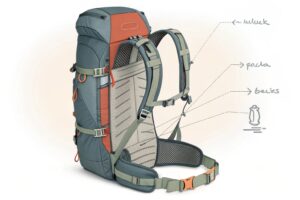
The carrying system is the backbone of a backpack—it supports and distributes weight. Before choosing the right system, you need to understand how it works.
A carrying system works through the shoulder straps, hip belt, and back panel, collaborating to evenly distribute weight across your shoulders, hips, and back. This reduces localized pressure and enhances balance.
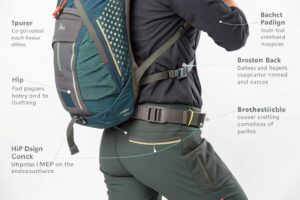
The design of the carrying system can even impact your breathing and walking rhythm. When the weight is evenly distributed across different parts of your body, you’ll not only feel comfortable but also maintain stability more efficiently.
Types of Carrying Systems for Backpacks
| Type of Carrying System | Benefits | Ideal Hiking Scenarios |
|---|---|---|
| Fixed Carrying System | Simple and lightweight | Short hikes with light loads |
| Adjustable Carrying System | Flexible weight distribution | Medium-length hikes, multi-purpose trekking |
| Advanced Tech System | Focuses on ventilation and dynamic load control | Long-distance expeditions |
Understanding these categories helps you choose the system that best suits your hiking plans and personal needs.
How to Adjust Your Backpack for Maximum Comfort?
Even with the right backpack, proper adjustments are crucial. Improper settings can diminish the benefits of a great design.
To adjust a backpack, ensure the shoulder straps are snug but not tight, the hip belt sits firmly on your waist, and the back panel aligns perfectly with your spine. This improves weight distribution and enhances comfort.
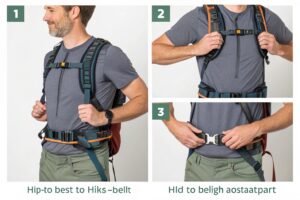
Adjustment techniques include tightening the hip belt to bear most of the weight, slightly loosening shoulder straps to prevent strain, and making sure the back panel matches your natural posture.
Key Steps for Backpack Adjustment
| Adjustment Step | Core Action |
|---|---|
| Adjust the Hip Belt | Tighten the hip belt to carry 70%-80% of the load |
| Fine-Tune Shoulder Straps | Ensure no slipping yet avoid over-tightening |
| Check Back Panel Fit | Ensure complete contact with the natural curve of your back |
Even minor adjustment errors can accumulate into fatigue during long hikes. By following these steps, you can optimize the comfort of your backpack.
How Does the Carrying System Affect Your Health?
An inappropriate carrying system can cause physical strain and health issues. Hiking isn’t just about movement—it contributes to long-term wellbeing.
A misaligned or unsuitable carrying system can lead to spinal stress, muscle fatigue, and posture problems. The right system reduces these risks, ensuring safe hiking.
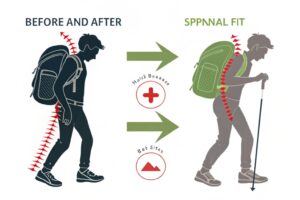
Health issues include shoulder tension, spinal misalignment, and leg fatigue. Choosing an ergonomic design and using it correctly ensures a more effortless and safer hiking experience.
Health Issues and Solutions
| Health Issue | Cause | Solution |
|---|---|---|
| Excess Shoulder Strain | Tight straps and uneven weight distribution | Loosen shoulder straps, adjust load |
| Spinal Compression | Loose hip belts or poor back contact | Use adjustable belts and back panels |
| Accumulated Fatigue | Subpar carrying system over long periods | Invest in high-quality backpacks and adjust regularly |
Hiking isn’t just about walking; it’s about how you treat your body. A good carrying system not only ensures comfort but is also a form of health investment.
Conclusion
A quality carrying system is the cornerstone of hiking comfort. Choosing and properly adjusting the right backpack is key to enjoying your hike while safeguarding your health.
