

Embarking on an adventure is thrilling, but an improperly adjusted backpack can turn excitement into discomfort. So, how can you adjust your backpack for maximum comfort?
To adjust a backpack properly, align the shoulder straps, waist belt, and chest strap to evenly distribute weight and avoid strain on your shoulders and waist.
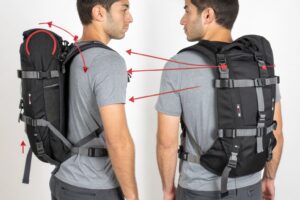
Backpacks are essential for traveling, but their improper adjustment often invites fatigue and even injury. Many individuals neglect finer details like shoulder strap tension and alignment with the back. In the following sections, I’ll break down step-by-step how to achieve a perfectly adjusted backpack for comfortable adventures.
How to Properly Adjust Shoulder Straps?
Shoulder straps are key—they directly affect the level of comfort and safety your backpack offers.
Shoulder straps should rest snugly on the shoulders without any visible gaps but should not be so tight that they restrict natural movement.
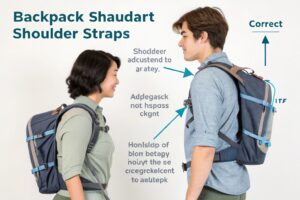
Loose shoulder straps shift the backpack’s weight downward, quickly fatiguing your shoulders. Overly tight straps, on the other hand, can cause discomfort and limit your walking posture. Here’s a simple step-by-step approach:
| Adjustment Criteria | Correct Method |
|---|---|
| Strap Alignment | Ensure the straps adhere closely to your shoulders without gaps or pressure points. |
| Length Adjustment | Adjust the straps so the back of the pack aligns with the upper part of your shoulders, keeping a natural curve of your back. |
| Material Considerations | Soft shoulder padding helps reduce strain and enhance wearability. |
To test the adjustment, stand upright wearing the backpack, gradually tighten the straps, and take a few steps to confirm smooth movement.
Why Is the Waist Belt Important for Weight Distribution?
The waist belt is critical—it shifts most of the load to your hips, reducing strain on your shoulders.
The waist belt should hug your hips snugly without sliding, ensuring the pack’s weight stays distributed evenly.
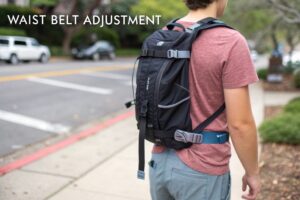
Proper waist belt adjustment is not just about comfort; it’s about protecting your body during long treks. A loose or misplaced waist belt will pile the load onto your shoulders instead. Consider the following adjustment points:
| Problem | Solution |
|---|---|
| Too Loose or Too Tight | If the waist belt doesn’t provide support, adjust its length and tighten it securely around your hips. |
| Uneven Weight Distribution | Center the belt over your hip bones to distribute the load evenly up and down your body. |
| Sliding During Movement | Check for stability during walking—tighten further if the belt shifts excessively. |
For large backpacks with additional padding, the waist belt can provide even better support, relieving further pressure on your back.
Do You Need the Chest Strap?
The chest strap might seem minor, but it plays a crucial role in stabilizing your backpack and maintaining balance.
Position the chest strap at your upper chest, avoiding the lower chest region to prevent pressure on your lungs.
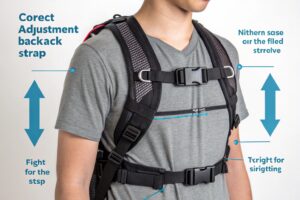
Incorrect chest strap placement can result in uneven weight distribution and extra strain on your shoulders. This especially disrupts balance during strenuous activities like climbing. The following key points guide its adjustment:
| Adjustment Technique | Chest Strap Position Selection Criteria |
|---|---|
| Tightness Management | Adjust the tightness to keep the strap firm, preventing the pack from shifting but still allowing you to breathe easily. |
| Placement Range | Align the chest strap across your shoulders and chest’s center to ensure optimal weight distribution and support. |
When I first started backpacking, I overlooked the chest strap’s significance. After experiencing back strain, I’ve learned it helps stabilize the backpack significantly, providing relief during long treks.
How to Achieve Maximum Comfort Through Overall Adjustment?
Comfort doesn’t just depend on individual parts but on combining all adjustments systematically.
Start with the shoulder straps, then the waist belt, and finally the chest strap. Walk, tweak the settings, and find the ideal adjustment for yourself.
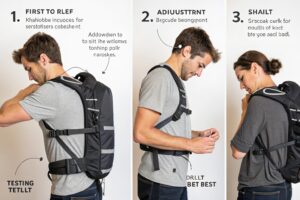
In summary, the comfort of your backpack relies on refining all adjustment points collaboratively. If it’s your first time using a backpack, a pre-adjustment followed by walking tests is key to identifying issues. Pay attention to specific components—such as overly tight shoulder straps or misplaced waist belts—and adjust accordingly as needed. Remember, a properly adjusted backpack should feel so natural that you almost forget you’re carrying it.
Conclusion
Adjusting each part of your backpack methodically ensures optimal comfort, even weight distribution, and protection against fatigue. Comfort is earned step by step.
