

Backpacks are essential in daily life and travel, yet many of us overlook how significantly they influence our experience. Using an ill-suited backpack can cause discomfort, inconvenience, or even physical strain.
The capacity and design of a backpack directly determine its functionality, comfort, and convenience. Choosing the right backpack improves everyday efficiency and comfort.
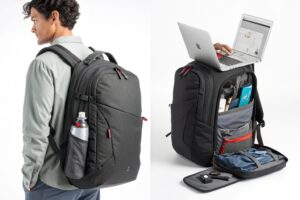
Most people focus more on the look of a backpack than on its function, often ignoring critical details. Below, I’ll explore how capacity and design influence user experience and how you can find the perfect backpack for your needs.
Why Does Backpack Capacity Matter?
Have you ever found your backpack too small to carry all your essentials? A mismatched backpack capacity can cause frustration, making you carry extra bags.
Backpack capacity dictates how much it can hold and how well items can be organized. A suitable capacity is the foundation of a great user experience.
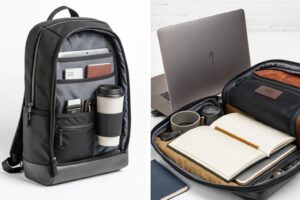)
Backpacks are used for different purposes, and each scenario requires a different capacity. Here’s a key breakdown of capacity considerations:
| Use Case | Recommended Capacity | Key Factors to Consider |
|---|---|---|
| Daily Commute | 20-30 liters | Fits a laptop, water bottle, and daily items |
| Short Trips | 30-40 liters | Compartments for organizing clothes |
| Long Hikes | 50 liters or more | Supportive system for heavy loads |
Choosing the right capacity ensures you can carry what you need without unnecessary extra weight or hassle.
How Does Design Optimize the User Experience?
The details of backpack design often go unnoticed but play a critical role in ease of use and long-term comfort. Poorly designed backpacks can be cumbersome and inconvenient.
Backpack design, including adjustable straps, compartment layout, and waterproofing, affects usability and comfort. Thoughtful designs make access and carrying easier and more efficient.
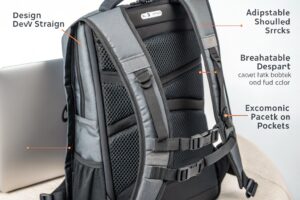
Several aspects of design influence the user experience:
- Straps and Back Panel: Well-padded straps reduce shoulder strain. A contoured back panel ensures weight is evenly distributed for maximum comfort.
- Compartments and Layout: Organized compartments prevent items from getting jumbled. For example, a laptop sleeve protects electronics, and water bottle pockets allow easy access.
- Material Selection and Durability: Lightweight yet sturdy materials reduce overall weight and prolong the backpack’s lifespan.
Design is about more than just aesthetics. It’s about providing a practical, seamless experience for users.
How to Choose the Right Backpack?
Have you ever spent hours picking a new backpack only to end up disappointed? Selecting the right backpack requires considering capacity, design, and situational needs.
To find the right backpack, match it with your specific needs and focus on capacity and design. Every user’s preferences and requirements will vary.

Here are my tips for selecting the ideal backpack:
- Match the Use Case: Determine whether you need a backpack for work, travel, or sports, and pick functionality accordingly.
- Test Fit and Comfort: Always try on backpacks to ensure strap adjustments allow a comfortable fit without pressure or instability.
- Check Material and Features: Opt for waterproof or stain-resistant materials, and ensure zippers and buckles are durable and robust.
Finding the right backpack gives you long-lasting comfort and efficiency, enhancing its value in your daily life.
Conclusion
The capacity and design of a backpack determine its functionality and comfort. Understanding your needs helps you choose the right backpack, greatly improving your user experience.
