

Looking for an outdoor backpack but don’t know where to start? Choosing the wrong backpack can make your trip uncomfortable or even ruin the overall experience.
Selecting the right outdoor backpack depends on the usage scenario, size requirements, and carrying system. These factors impact both portability and comfort.
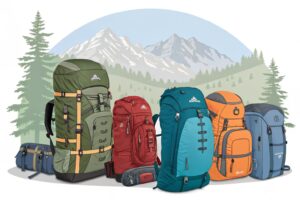
If you’re confused, don’t worry. I’ll break down everything step by step so you can find the perfect backpack without stress.
How do you choose the backpack size?
Concerned about picking the wrong size? A backpack that’s too small won’t fit your gear, while one that’s too large adds unnecessary weight.
For day hikes or short trips, look for a backpack sized between 20-30L. For multi-day adventures, go for 50-80L based on your equipment needs.
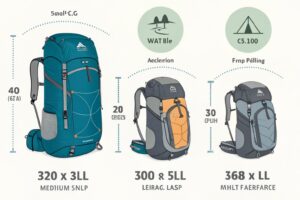
Choosing the size depends directly on the length of your trip and the items you’re carrying. Here are some key recommendations:
| Type of Trip | Recommended Backpack Size | Key Considerations |
|---|---|---|
| Day hikes | 20-30L | Lightweight gear like water bottles and snacks. |
| Weekend camping | 30-50L | Basic camping tools and essentials. |
| Long-distance trips | 50-80L | Comprehensive gear, but balance weight carefully. |
Knowing your travel plans and gear needs will help you select the best backpack size.
Is the carrying system that important?
How does the carrying system affect comfort? Ignoring this factor can leave you with sore shoulders, an aching back, or even injuries.
A well-designed carrying system minimizes shoulder strain and distributes the weight evenly, keeping your back comfortable even during long hikes.
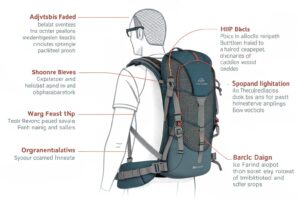
The carrying system includes shoulder straps, a hip belt, and a back panel. A thoughtful design enhances your backpack’s functionality. Here are key elements to consider:
- Shoulder straps: Wide and padded straps reduce pressure on your shoulders.
- Hip belt: Shares the weight load, making it great for long treks.
- Back panel: Choose a design that contours to your body for more support.
If possible, try on the backpack before purchasing. The right carrying system not only ensures comfort but also protects your body during the trip.
How to choose backpack material?
Not sure how to evaluate a backpack’s material? Poor-quality materials wear out quickly, and a bag that tears during a trip can ruin your plans.
High-quality outdoor backpacks are made from durable, water-resistant materials while remaining lightweight. Common choices include nylon and polyester.
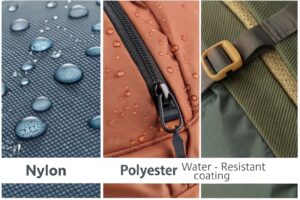
The material of your backpack determines its durability and performance:
- Nylon: Excellent abrasion resistance and water-resistance, though slightly heavier.
- Polyester: Lightweight and ideal for casual outdoor activities, but less durable.
- Coatings: Materials like PVC coatings enhance water resistance.
Match the material to your intended use to ensure your backpack holds up under outdoor conditions while meeting your needs.
Conclusion
The right outdoor backpack can completely transform your travel experience. Focus on size, carrying system, and materials to find one that works for you!
