

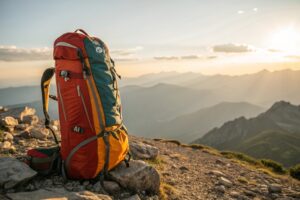
The choice of gear can make or break your hiking experience. But why is the outdoor backpack considered the most essential? Even a simple choice can impact comfort and safety.
An outdoor backpack is the core of hiking gear because it carries all the essential items while ensuring organization and easy access. A well-designed backpack optimizes weight distribution and reduces strain.
A backpack isn’t simply gear—it’s your companion on the trail. Choosing the right one can make carrying gear manageable for longer periods while keeping supplies organized and accessible in the wild.
What makes a good outdoor backpack, and what features should it have?
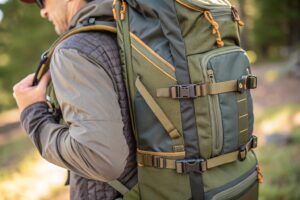
When I started hiking, I often overlooked the importance of my backpack. I focused only on appearance and price. After uncomfortable trips, I realized the quality of the backpack truly impacts the experience.
A good outdoor backpack should have a balanced weight distribution system, durable materials, ample storage capacity, and a fit that matches your body. These features reduce strain and improve balance.
When selecting a backpack, it’s important to consider your journey. For multi-day hikes, you’ll need larger capacity, whereas shorter hikes require a more lightweight design. The fit of the shoulder straps, waist belt, and back panel is key to properly distributing the weight. Also, check for waterproof and abrasion-resistant materials to withstand outdoor conditions.
| Design Feature | Importance | Benefits |
|---|---|---|
| Weight distribution | High | Reduces back strain |
| Material durability | High | Handles tough terrain |
| Storage capacity | Medium | Meets trip demands |
| Back panel design | High | Enhances comfort |
How can you optimize the use of your outdoor backpack?
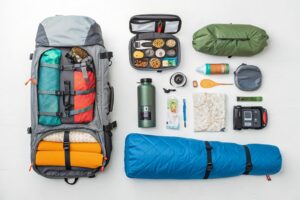
During a mountain hike years ago, I struggled due to inefficient packing. Placing items randomly made my pack unbalanced and uncomfortable, creating unnecessary challenges.
To optimize your backpack usage, distribute weight evenly, keep essentials easily accessible, and avoid overpacking. This improves comfort and hiking efficiency.
Heavy items should be placed close to the back to maintain balance, while lighter items can go at the top or bottom. Frequently needed items like water bottles, maps, or a first-aid kit should be stored in outer pockets or on top for easy access. Always prioritize essential items and simplify what you carry to reduce unnecessary load.
How do you choose the right backpack size for your hike?
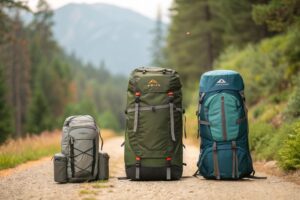
The first time I bought a hiking backpack, I went for an oversized one. Instead of benefiting from it, the extra space added unnecessary weight and reduced efficiency.
The size of your hiking backpack should match your trip length and needs. For example, 20L works for day hikes, while 60L suits multi-day adventures.
Day hikes typically call for lightweight packs in the range of 20 to 30 liters, which are sufficient for water, snacks, and first-aid supplies. For overnight or two-to-three-day hikes, a 35 to 50-liter pack works best, striking a balance between capacity and comfort. For long hikes of six or more days, larger packs (50+ liters) are needed, and expandable designs can help accommodate additional items.
| Trip Duration | Recommended Capacity | Characteristics |
|---|---|---|
| One day | 20–30L | Lightweight and compact |
| Two to three days | 35–50L | Balance of space & comfort |
| Six or more days | 50L+ | High capacity for supplies |
Conclusion
An outdoor backpack isn’t just a piece of equipment—it’s the backbone of your hiking adventure. Choosing the right pack and using it effectively will make your journey more comfortable and enjoyable.
